
Hibiscus Coast · Drainlayer
Drainlayer on the Hibiscus Coast
Need a drainlayer on the Hibiscus Coast to replace a private wastewater or stormwater line? A good record starts before excavation and continues through testing, approval and reinstatement.
- PGDB licensed
- Site Safe member
- Impac Prequal assessed
- Kiwi-owned since 2012
How it works
Call or enquire
Phone us or send the address and what you’re seeing.
We assess
A licensed Stately plumber looks at the job on site.
Clear quote
You get a plain explanation and a clear quote before work starts.
Job done and tidied
We finish the work and leave the site clean.
Stately Plumbing’s certified drainlayers work across Auckland. This page explains how to define the pipe being replaced, coordinate the site, understand public connection requirements and leave the property with useful handover information.
Define the replacement before digging
Start with the observed defect and the pipe’s known route. Camera findings, drainage plans and the location of gully traps or inspection points can help establish the scope. Mark which section is to be replaced and whether any branch or connection must remain. Do not assume the visible wet area identifies the whole fault; underground water can travel before it appears at the surface.
The Auckland-wide drainage guide explains the wider service. For a replacement brief, ask how the existing line will be exposed, where the new pipe will run and what testing is proposed. If the route changes, the drawings and approval position may need review. Agreeing these points before excavation helps separate necessary pipe work from avoidable disturbance to the rest of the property.
Drainlayer guidance on the Hibiscus Coast
Use Hibiscus Coast service area hub to see all six regional services, then open the local page for Hatfields Beach, Whangaparāoa, Red Beach, Orewa, Stanmore Bay or Silverdale. Attach the drainage plan and a note of the proposed replacement area. This keeps the property’s documented route at the centre of the discussion.
Drainlaying pages for Stanmore Bay, Red Beach, Silverdale, Whangaparāoa, Hatfields Beach and Orewa provide direct enquiry links for the property. Share any camera findings, approval letters and surface photographs with the builder or owner. A clear brief helps distinguish private replacement work from a public connection or neighbouring drain.
More about drainlayer in Hibiscus Coast
Coordinate the trench and other services
Plan machine access, spoil placement and safe separation around the trench before work begins. Identify known underground services and tell the drainlayer about retaining structures, trees or finished surfaces near the route. Keep occupants and animals away from the work area. If the pipe crosses a shared accessway, arrange entry and approval with the neighbour or property manager before the programme is set.
Public pipes introduce a separate approval question. Watercare requires approval for certain work near or over its assets, and a public wastewater connection has its own process. Provide plans early so the designer and drainlayer can check the requirements. Do not treat a private replacement as permission to alter a public connection. The exact scope determines which applications and notices are needed.
Inspections and records belong in the programme
Drainage work may require building consent and council inspection depending on what is being altered. MBIE’s consent guidance distinguishes exempt minor work from new connections and more substantial changes. Ask the designer or drainlayer which category applies to the proposed scope. Leave enough time for the relevant inspection before the trench is closed, rather than discovering the requirement after backfilling.
Watercare’s residential connection process requires approved plans for a new connection and distinguishes simple work by a licensed drainlayer from complex connections completed by its contractors. Keep approval letters, inspection outcomes and any connection certificate together. These records support the building handover and give future owners a reliable account of what was installed.
Finish with reinstatement and an as-built brief
Agree what reinstatement includes before the excavation starts. Backfilling and compacting the trench is one stage; restoring lawn, paving, concrete or planted areas may involve other finishes and trades. Photograph the open pipe route and key connections where it is safe and permitted. Mark inspection points so they remain accessible after the surface is complete.
The drainlaying trade guide and CCTV inspection guide provide useful background. At handover, request the approved drainage information and a plain explanation of the work completed. Note any future maintenance access and any outstanding surface restoration. A clear as-built record makes later alterations easier and reduces the chance that a new contractor has to locate the replaced line by trial and error.
During the work, keep a simple daily record of the sections opened, inspections arranged and surfaces reinstated. This is particularly useful when the owner is not on site or when several trades share the programme. Any change to the approved route should be raised with the person coordinating the design rather than accepted as an unrecorded field adjustment. Before the crew leaves, walk through the accessible areas with the site contact, identify remaining work and confirm that the property has been left in the agreed condition. Photographs of the same viewpoints taken before and after can complete that record. If weather or another trade changes the sequence, update the site contact and protect the open work area as agreed. Do not allow materials, vehicles or excavated spoil to block an inspection point that still needs to be reached. The owner should also know whether any temporary drainage arrangement remains in use and what limitations apply until the permanent line is commissioned. Clear communication at that stage prevents normal household or site activity from damaging unfinished work. Final reinstatement can then be checked against the photographs and scope agreed at the beginning. Store those images with the approved plans rather than in a personal phone gallery that may be lost.
Drainlayer: questions from Hibiscus Coast
What records should I keep from a drain replacement?
Keep approved plans, connection approvals, inspection outcomes, applicable certificates and safe photographs of the open route. Add a note showing access points and the replaced section. These records help with building handover and future property work.
Does every private drain replacement need building consent?
No single answer covers every scope. MBIE’s guidance distinguishes some exempt repairs and minor alterations from new connections and larger changes. Ask about the exact route and fixtures before work starts, and allow for any required inspection.
Is reinstatement included in drainlaying?
It should be defined in the quote. Ask whether the scope covers backfill, compaction and each finished surface affected by the trench. Lawns, paving and concrete can require different restoration work, so agree the handover condition before digging.
More help in Hibiscus Coast
Suburb service guides
Read before you call
Where we work
Covering Hibiscus Coast
Nearest Stately office
536 Hibiscus Coast Highway, Hatfields Beach, Orewa 0931
Nearby suburb guides
Related work
Our work in and around Hibiscus Coast
 Stanmore Bay
Residential
A favourite kitchen renovation in Stanmore Bay
All plumbing fixtures, the gas hob and an internally connected coffee machine — with Bella Kitchens and Lifebuilt Construction.
 Albany
Commercial
An office kitchen, transformed just in time for the festive season
A busy workplace kitchen renovated top to bottom — double sink, plumbed-in coffee machine, two dishwashers, instant boil unit and a new shower.
 South Head
Drainage · Residential
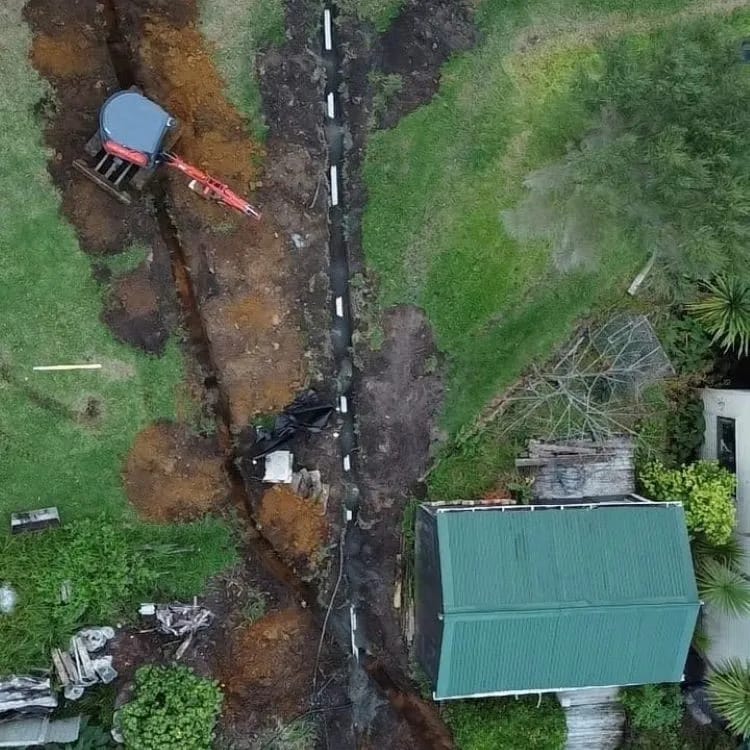
Residential drainage and septic connection in South Head
100 metres of 100mm PVC sanitary sewer to a new septic treatment system, plus 30 metres of stormwater piping.