
Hibiscus Coast · Blocked drains
Blocked Drains on the Hibiscus Coast
Blocked drains on the Hibiscus Coast can be frustrating when the same symptoms return and nobody has a record of the earlier work.
- PGDB licensed
- Site Safe member
- Impac Prequal assessed
- Kiwi-owned since 2012
How it works
Call or enquire
Phone us or send the address and what you’re seeing.
We assess
A licensed Stately plumber looks at the job on site.
Clear quote
You get a plain explanation and a clear quote before work starts.
Job done and tidied
We finish the work and leave the site clean.
Before another clearance, gather what you know about the affected fixtures, previous visits and any camera findings. Stately Plumbing can then assess whether the immediate need is clearing, inspection or a repair discussion. Here is how to organise that information and what to do while the drain is restricted.
Build a useful history of the blockage
Write down which fixtures slow, gurgle or overflow, and whether they fail together. Note the date of earlier blockages, what was cleared and whether anyone identified roots, grease, an object or damaged pipe. Old invoices, camera files and drainage plans are useful even when incomplete. Avoid repeating work simply because the paperwork is missing; a clear symptom timeline can still change the inspection plan.
The Auckland-wide blocked drain guide explains the usual clearing and investigation options. For a repeat problem, ask what the next visit is intended to establish. Clearing restores flow, while a camera may help answer why the restriction keeps returning. One does not automatically replace the other, and standing dirty water can limit what a camera shows. Agree the purpose before the equipment is chosen.
Blocked drains guidance on the Hibiscus Coast
The Hibiscus Coast service area hub links the regional drainage options. For a property guide, start with Whangaparāoa, Stanmore Bay, Silverdale, Red Beach, Orewa or Hatfields Beach and keep the location with the blockage history. That makes it easier to compare a new symptom with any earlier work at the same address.
Read the blocked-drain pages for Hatfields Beach, Red Beach, Stanmore Bay, Orewa, Whangaparāoa and Silverdale when you want suburb-specific routes. Tell us which fixtures are affected and what previous clearing or camera work found. The link is a starting point for a complete brief, not a promise that two properties share the same underground fault.
More about blocked drains in Hibiscus Coast
Reduce use while the route is restricted
Stop using fixtures that discharge into the affected line where practical. If the toilet and shower are both rising, running a washing machine or dishwasher may add more water to the same restriction. Keep people away from wastewater and use gloves for any ordinary household clean-up around reachable surfaces. Do not lift a chamber lid or enter a confined space to look for the blockage.
Avoid chemical drain cleaners and improvised tools. They can create a hazard for the next person who opens the trap or uses drain equipment, and they do not explain a recurring fault. Take photographs from a safe position and note which fixture was last used before the level changed. If a neighbour shares the private line, their observations may matter too, so involve them in the timeline.
Know when Watercare comes first
Watercare asks people with a blocked drain or wastewater overflow to contact it before a plumber so the public and private sides can be checked. Report sewage on public land promptly, and do not assume that a public manhole near the property proves where the fault sits. Keep photographs and note whether nearby properties are affected. Once responsibility is clearer, the appropriate private-drain work can be arranged.
Stormwater and wastewater need to be distinguished as well. A roof downpipe, driveway grate and toilet do not belong to the same system. Auckland Council manages the public stormwater network, while Watercare manages public wastewater. Describe the visible outlet and the weather conditions without claiming which underground pipe is involved. That detail helps direct the first enquiry and avoids an unnecessary inspection of the wrong line.
Turn the findings into a repair brief
After clearing or inspection, ask for the location and likely cause to be recorded in plain language. If a camera is used, request the relevant footage or images where available and note the access point. A useful record lets you compare future symptoms with the current finding. It also gives an owner, tenant or property manager something specific to review before approving further work.
The CCTV drain inspection guide and blocked drain who to call guide provide more detail. When a repair is proposed, ask which section is affected, how it will be reached and what surfaces may need reinstatement. Keep the findings with the property records. That way, another blockage does not have to start from guesswork, and any future quote can address the observed defect rather than only the recurring symptom.
For a property with more than one occupant, agree who will keep fixtures off and who will communicate with the plumber. Mixed messages can send water into a line that someone else believes is out of use. Put a note near the affected toilet, sink or laundry if necessary, and tell any visitors before they use it. Once the drain is back in service, ask whether any gradual return to normal use is recommended and which warning signs should prompt another call. If the blockage affects a business, nominate one staff member to coordinate that message and record any areas that must remain available for customers. Share that instruction with anyone else who uses the property before normal use resumes.
Blocked drains: questions from Hibiscus Coast
Should I book another clearance for a recurring blockage?
Start with the history and what the next visit should establish. Clearing may restore flow, but a repeat fault can also justify inspection. Tell us what was done previously, how long the improvement lasted and whether any camera footage or repair notes exist.
Can I keep using fixtures that still drain?
Limit water entering the affected line until the restriction is understood. A fixture that appears to work may still discharge through the same downstream pipe. Stop use if water is rising elsewhere, and keep people away from any wastewater overflow.
Who should I call for sewage on public land?
Contact Watercare so the public wastewater network can be checked. For a blocked drain or overflow at a property, Watercare also asks to be contacted before a plumber. Record the location and visible symptoms from a safe position.
More help in Hibiscus Coast
Suburb service guides
Read before you call
Where we work
Covering Hibiscus Coast
Nearest Stately office
536 Hibiscus Coast Highway, Hatfields Beach, Orewa 0931
Nearby suburb guides
Related work
Our work in and around Hibiscus Coast
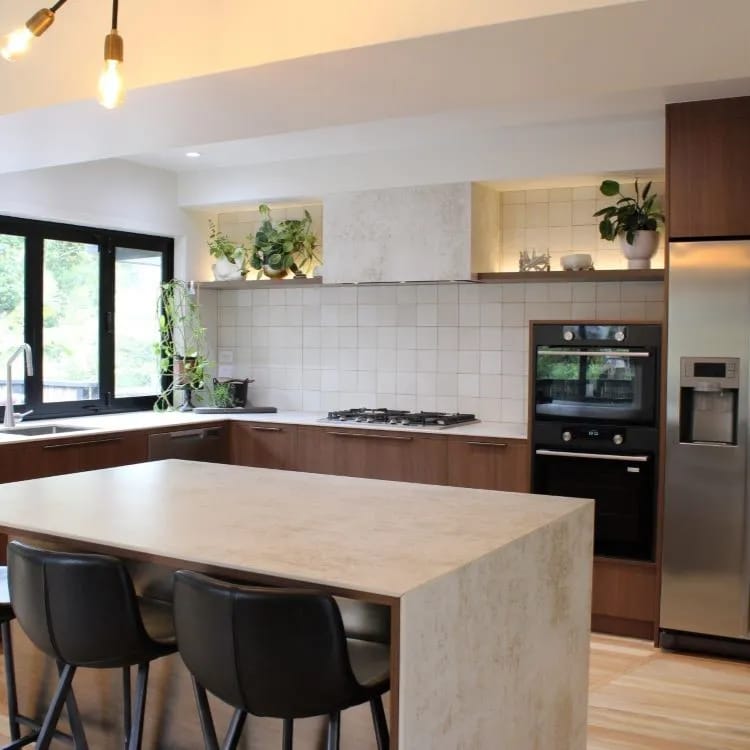 Stanmore Bay
Residential
A favourite kitchen renovation in Stanmore Bay
All plumbing fixtures, the gas hob and an internally connected coffee machine — with Bella Kitchens and Lifebuilt Construction.
 Albany
Commercial
An office kitchen, transformed just in time for the festive season
A busy workplace kitchen renovated top to bottom — double sink, plumbed-in coffee machine, two dishwashers, instant boil unit and a new shower.
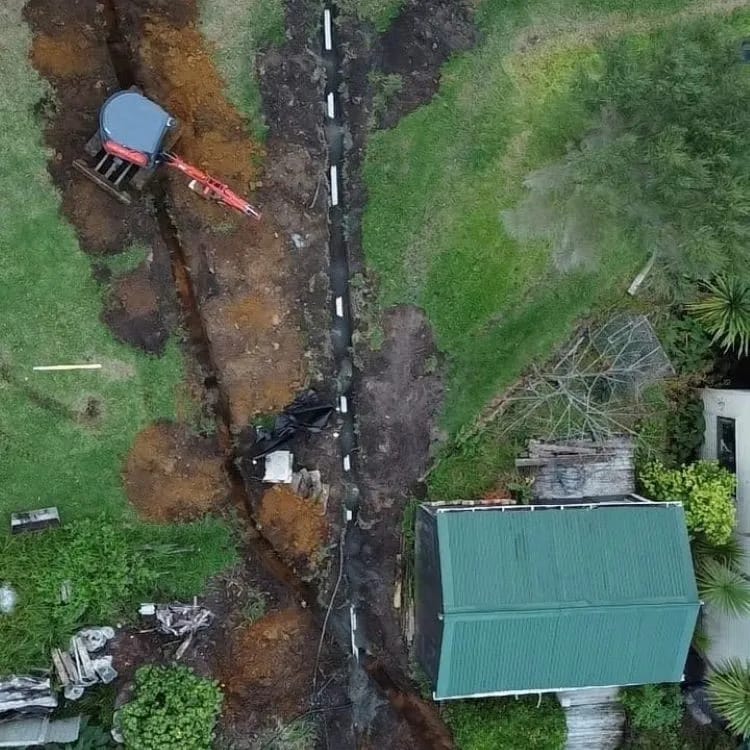 South Head
Drainage · Residential
Residential drainage and septic connection in South Head
100 metres of 100mm PVC sanitary sewer to a new septic treatment system, plus 30 metres of stormwater piping.