
Titirangi · Leak detection
Leak Detection in Titirangi
A suspected leak along a long private supply route in Titirangi can leave you unsure where to start looking between the meter and the house.
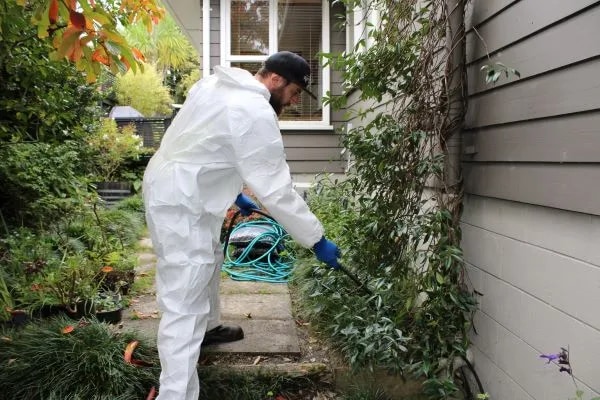
- PGDB licensed
- Site Safe member
- Impac Prequal assessed
- Kiwi-owned since 2012
How it works
Call or enquire
Phone us or send the address and what you’re seeing.
We assess
A licensed Stately plumber looks at the job on site.
Clear quote
You get a plain explanation and a clear quote before work starts.
Job done and tidied
We finish the work and leave the site clean.
The wet patch, if there is one, may be some distance from the actual fault. Stately covers Titirangi, and we approach these investigations by tracing the likely route, checking water use and narrowing the search before recommending access. Tell us what has changed and which parts of the route you can reach.
Start with observations along the supply route
Before we visit, note when you first noticed the problem and whether it involves unexplained meter movement, reduced flow or a damp area. These clues help direct the checks, but none confirms the leak location on its own. Avoid digging at the first visible wet spot.
Gather any plans, installation photographs or records showing where the private supply runs. Mark places where the route is known and distinguish them from guesses. Along a long line, a confirmed entry point or accessible valve can be more useful than following a straight line from the meter.
Check use before tracing a buried fault
On arrival, we check the reported symptoms and look at accessible parts of the supply. We ask about taps, appliances and other outlets connected along the route. Water being used at an overlooked connection could affect the readings and send an investigation towards the wrong section.
We then assess which locating methods suit the line and available access. Depending on conditions, listening checks, pressure testing or other detection methods may help narrow the search. A long route can require checks at several points, with each result compared against the likely pipe path.
More about leak detection in Titirangi
Arrange access and isolate useful sections
Tell us beforehand about locked gates, restricted areas or parts of the route crossing land you cannot freely enter. Access needs to be agreed before testing or opening those areas. Clear movable belongings from accessible valves, but leave buried fittings and valve operation for us to assess.
Where suitable isolation points exist, we may separate sections of the supply and compare the results. We explain any planned interruption before turning water off. If the line cannot be divided usefully, further tracing or a targeted opening may be needed to investigate the suspected area.
Turn test results into repair decisions
We explain what each check suggests, where the evidence is strongest and what remains uncertain. Sound can travel along a pipe, and escaping water can emerge away from its source. A suspected position therefore needs careful confirmation rather than treating a surface mark as the repair location.
If opening the route is needed, we discuss the proposed area and access arrangements first. Once the fault is exposed, its condition helps determine whether a local repair is suitable. Water main repairs may involve replacing a damaged section; a wider replacement needs a clear reason based on findings.
Confirm the outcome and hand over
After an agreed repair, we check the supply again under appropriate conditions and inspect accessible connections for leakage. If unexplained water loss continues, we explain the remaining possibilities and further checks needed. Finding one fault along a long route should not end the investigation while symptoms remain.
Your handover should identify the investigated route, the confirmed fault location and any areas still uncertain. We explain what was repaired, any outstanding reinstatement and what to watch for afterwards. Keep photographs and location notes so future work can start with a clearer picture of the private supply.
Leak detection: questions from Titirangi
Can I check for water loss before booking?
Watercare recommends using no water for four hours or more and comparing meter readings before and after, leaving the meter tap on throughout. Make sure appliances will not draw water during that period. Record the readings for us; a change alone will not locate the fault.
Will the whole supply route need digging up?
Not automatically. We aim to narrow the suspected area through tracing and testing first. Targeted openings may still be needed to confirm the location or reach the pipe.
What if I cannot access part of the route?
Tell us before the visit. We can assess accessible points first, but restricted access may limit the investigation. Permission will need arranging before we enter or open another area.
More help in West Auckland
Read before you call
Google reviews
Rated Excellent
Real words from Auckland customers on Google.
Actually awesome and the reviews are correct… on time, job well done and sorry about the bad replacement tap I provided you.
5 / 5