
Titirangi · Hot water cylinder
Hot Water Cylinder Repairs & Replacement in Titirangi
An unfamiliar cylinder is easier to assess with a record of what is installed than a guess about its age. If you have bought a Titirangi property, Stately can help examine the heater, understand its visible controls and identify repairs or replacement questions.
- PGDB licensed
- Site Safe member
- Impac Prequal assessed
- Kiwi-owned since 2012
How it works
Enquiry
Assessment
Quote
Completion
Bring the handover paperwork and describe any symptom you have noticed since moving in. Keep learning the system separate from opening or adjusting its components.
Gather what came with the property
Look through the appliance information, service invoices and purchase documents supplied at handover. A model number tied to the actual heater is more useful than an approximate installation date mentioned in conversation. Send a photograph of the safely visible label and the complete cylinder space so the assessment can start with identifiable equipment.
Make a separate list of observations from your own use. Note a leaking connection, unreliable shower or shortage after particular routines without borrowing a diagnosis from the previous owner. If a repair was described as completed, retain the relevant invoice and say whether the original symptom is still present.
Have the installation explained in place
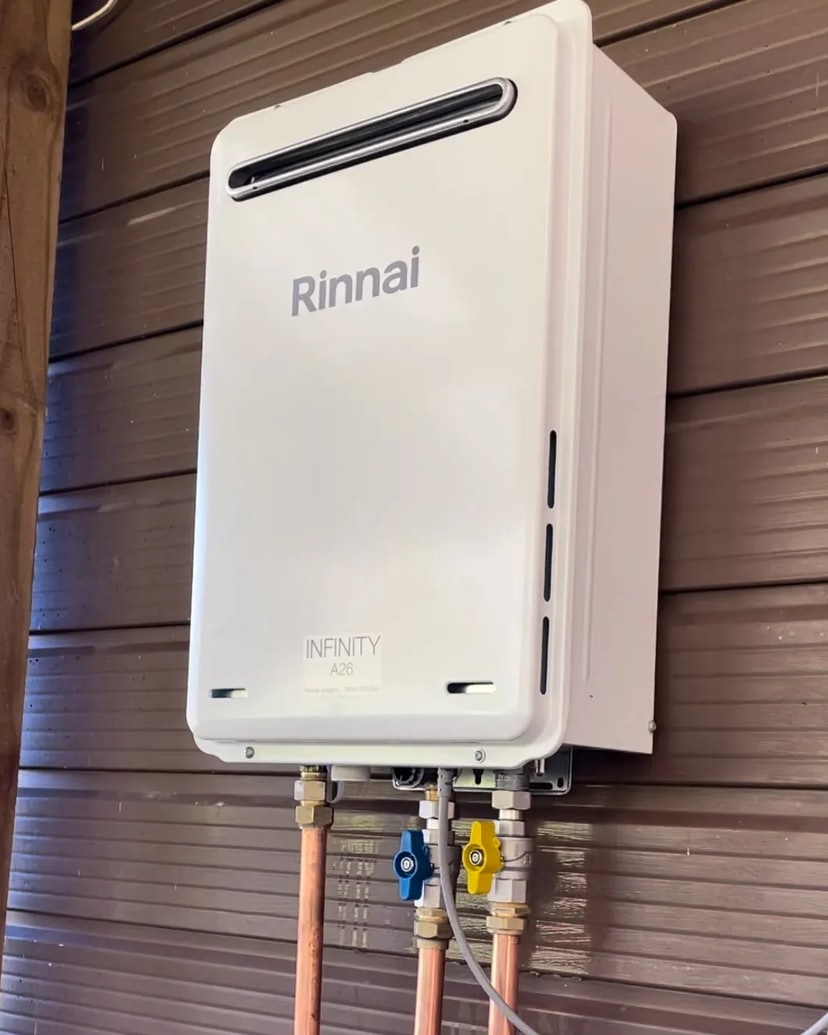
The plumber can identify the water heater, inlet arrangement and accessible isolation points during inspection. Ask which controls an occupant may need to recognise and which belong to servicing. A practical explanation uses the installed fittings and manufacturer information rather than general advice that assumes every cylinder has the same controls.
Leave electrical covers and internal settings alone. Any concern about electrical components needs an appropriately qualified worker. If the cylinder space is wet, stay clear of affected electrical equipment and report that before trying to tidy it. Learning where a component sits is not an instruction to test it yourself.
More about hot water cylinder in Titirangi
Turn the symptom list into inspection questions
Start with the problem that affects ordinary use most. A dripping outlet connection, irregular heating and weak shower flow call for different checks. Ask the plumber to show which observation supports the diagnosis and what remains to be investigated. That keeps the visit useful even when the property records are incomplete.
Replacement planning should follow both condition and household needs. Tell us how you expect to use the property rather than assuming the previous owner’s heater choice matches your routines. Include any proposed bathroom changes as future requirements, not as facts about the current installation. This separates immediate repair from a later upgrade discussion.
Make the first service visit accessible
Move stored items away from the heater and show how the cupboard or enclosure opens. Explain whether another person holds a key or whether access passes through an occupied room. Existing shelves, panels and narrow working gaps should be visible in the enquiry photographs so inspection requirements can be discussed beforehand.
If repair is agreed, confirm who authorises additional work and how you will be contacted while the installation is isolated. Ask which household facilities will be unavailable. For replacement, include the removal route, new connections and relevant trade work in the proposal. A complete scope is especially helpful when you have no earlier service experience to compare.
Build a useful record for future visits
At handover, retain the model information, identified fault and completed work together. Ask for the location of accessible isolation and discharge points to be explained without changing settings. Keep manufacturer operating instructions where the household can find them instead of burying them with the property sale paperwork.
Record any unresolved observation as a specific question and the agreed next step. If new dampness or a delivery change appears later, report where and when it occurs. The next call can then begin with the inspected installation and its service history rather than starting again with an unfamiliar cylinder in a newly purchased home.
Hot water cylinder: questions from Titirangi
Can you tell the age from its appearance?
Use model information and installation records where available. Appearance alone is a poor basis for a replacement decision. The assessment should concentrate on the present condition, the fault being reported and whether the equipment suits your intended use.
Should I adjust the heater for our household?
Discuss the delivery complaint and identify the controls first. Internal heating adjustments belong with an authorised person under the appliance instructions. Do not open electrical covers or change unfamiliar valves while learning the system.
What if the previous owner left no records?
Send safe photographs and explain what you have observed. The plumber can identify accessible model details and decide what further inspection is needed. Lack of paperwork should lead to a clearer assessment, not an assumed need for replacement.
More help in West Auckland
Read before you call
Google reviews
Rated Excellent
Real words from Auckland customers on Google.
Thomas was professional, fast and efficient. He explained things clearly, and honestly. We were about to leave for the South Island for the weekend, Thomas made sure the job was completed in good order before we left. He also checked-in with us periodically to ensure there were no further issues.
2 / 5