
Onehunga · Gas fitter
Gas Fitter in Onehunga
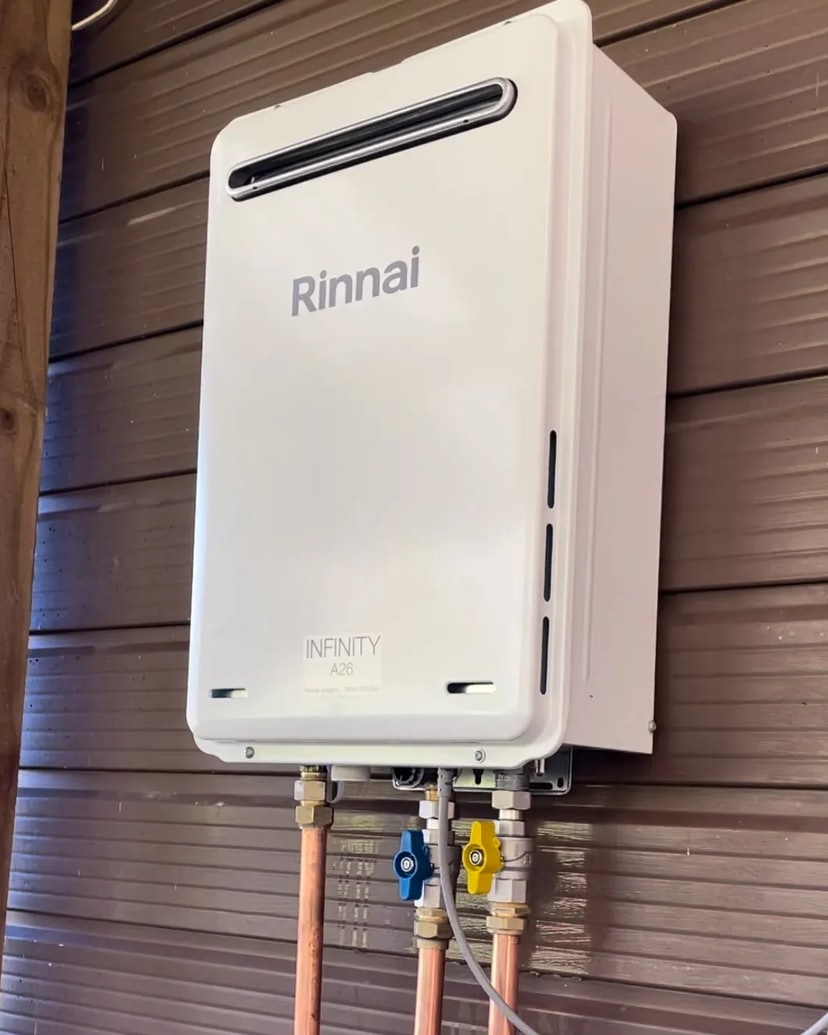
If furniture blocks your gas heater’s access panel, start by describing the obstruction before arranging a service. Send a photograph showing the whole heater, the furniture and the space around them.
- PGDB licensed
- Site Safe member
- Impac Prequal assessed
- Kiwi-owned since 2012
How it works
Enquiry
Assessment
Quote
Completion
Keep the heater casing closed and leave gas work to an appropriately licensed gasfitter. Stately covers Onehunga. Your enquiry should explain whether the furniture moves freely or forms part of fitted cabinetry, so access becomes part of the service discussion.
Show what stops the panel opening
A sofa in front of a heater presents a different access problem from shelving built across its service panel. Photograph the room arrangement rather than just the heater grille. Include any cupboard doors, bench edges or drawers that overlap the panel. Describe which pieces you normally move for cleaning.
Tell us whether the obstruction appeared after new furniture arrived or has always been there. Note whether the panel faces forward or sits beside a cabinet. These details help frame the visit, but the gasfitter must inspect the appliance before deciding how to reach its service components.
Separate furniture moving from heater work
Decide who will handle ordinary furniture before the appointment. Mention heavy bookcases, fragile contents and anything fixed to a wall. Do not treat removing the heater cover, loosening a connection or shifting the appliance as preparation you can do yourself. Gas work must be done by a licensed gasfitter; you can check the licence on the PGDB register.
If a cabinetmaker needs to alter fitted furniture, agree who can approve that change. The service enquiry should distinguish furniture alterations from work on the heater. Avoid booking cabinetry changes around a guessed panel size. First establish which parts need access and how the manufacturer intends the appliance to be serviced.
More about gas fitter in Onehunga
Give the service a useful fault history
Find the heater make and model in your records, or photograph an accessible label without opening the casing. Tell us what prompted the service: routine maintenance, an unfamiliar noise, interrupted operation or a control that behaves differently. State when it happens and whether moving furniture changed anything you noticed.
We check the appliance and its accessible connections on site, using its instructions to guide the service. Confirm the gas supply at the address rather than assuming natural gas is available. The inspection determines what servicing or repair is needed. A blocked panel alone cannot tell us whether a component has failed.
Resolve access before settling the room layout
Once the panel can be reached, the gasfitter can assess the heater rather than working around an incomplete view. The checks include the condition and operation of the appliance and the requirements relevant to its installation. Any repair or replacement component should follow the findings, not a diagnosis based on photographs.
Before returning furniture, ask the gasfitter to explain the access and placement requirements for that heater. Use the actual appliance instructions, not a clearance borrowed from another model. Keep any proposed joinery changes separate until those requirements are confirmed. The aim is a room arrangement that allows the next service without repeating the same obstruction.
Keep the service findings with the heater records
At handover, ask for an explanation of what was checked, what was serviced or repaired and any outstanding work. Keep the appliance information and service findings together. Record any agreed furniture or cabinetry changes so another household member knows why the layout matters.
The paperwork follows the actual work. Connected gas work needs a Gas Safety Certificate. General or high risk gasfitting also needs a Certificate of Compliance. For servicing or repair, ask which documents apply to the work completed rather than expecting every service to require the same certificates. Keep the certification paperwork with your appliance records.
Gas fitter: questions from Onehunga
Should I empty the shelving beside the heater?
Tell us whether it moves or is fixed. Clearing loose belongings can help, but agree how heavy or attached furniture will be handled before the service.
Can the heater simply be moved forward?
Treat relocation as separate gasfitting work. The gasfitter needs to assess the appliance, connections and installation requirements before proposing a different position.
What if I smell gas behind the furniture?
Do not search behind it. Avoid flames and electrical switches. Leave the area and call your gas supplier or emergency services from outside.
More help in Central Auckland
Read before you call
Google reviews
Rated Excellent
Real words from Auckland customers on Google.
James, came on time. Clean, pleasant. Checked what needed to be done. Worked fast. Good communication
3 / 5