
Birkenhead · Drainlayer
Drainlayer in Birkenhead
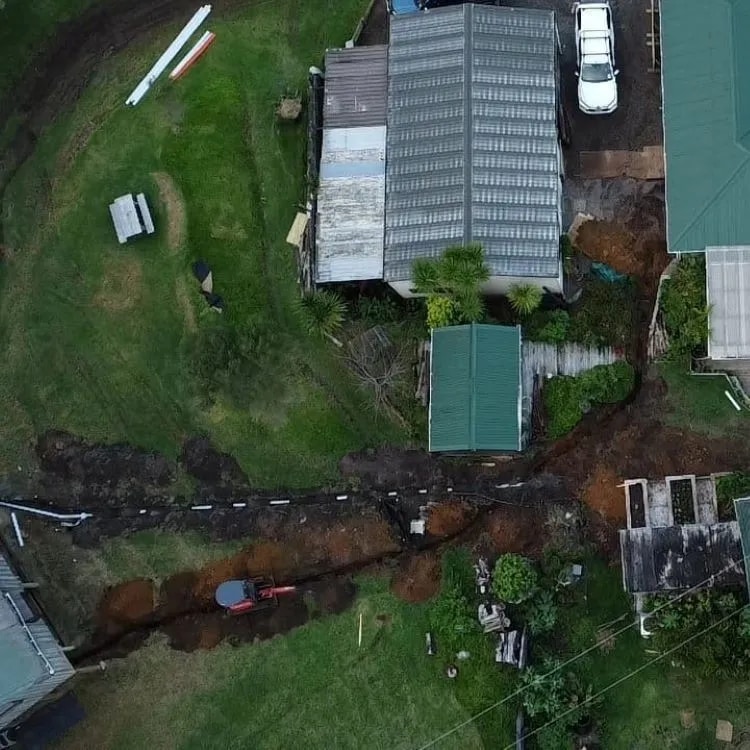
Replacing an earthenware private drain with PVC starts with confirming which pipe needs replacing and where it connects.
- PGDB licensed
- Site Safe member
- Impac Prequal assessed
- Kiwi-owned since 2012
How it works
Call or enquire
Phone us or send the address and what you’re seeing.
We assess
A licensed Stately plumber looks at the job on site.
Clear quote
You get a plain explanation and a clear quote before work starts.
Job done and tidied
We finish the work and leave the site clean.
Send Stately any drainage plans, inspection footage and photographs of the ground above the suspected route. Stately covers Birkenhead. Explain whether the drain still carries wastewater and which facilities depend on it, so the replacement sequence accounts for their use during the work.
Define the replacement length before opening ground
An old earthenware drain is not automatically a reason to replace every connected pipe. Onsite, we check the accessible ends, junctions and evidence of damage. Existing inspection footage helps show where joints have separated or sections have broken. The proposed replacement limits need to relate to sound connection points, not just a mark on a plan.
Send details of previous repairs and any branches serving other fixtures. Confirm ownership of the affected pipe before agreeing the scope. Owners maintain private pipes, Watercare manages public wastewater, and Auckland Council manages public stormwater. Those boundaries matter when planning the final connection.
Set out the trench and approval sequence
We compare available records with the route found onsite, locate nearby services and establish pipe levels before setting out excavation. The trench needs working room at both ends and around each branch. Discuss access for excavation, spoil storage and protection of paths or planting before work begins.
Consent requirements depend on the actual work, using MBIE guidance to check the proposed scope. Building or excavation near public wastewater pipes may require Watercare approval. Restricted drainlaying requires an appropriately authorised person; the PGDB register supports checking that authorisation. Set inspection stages before booking surface reinstatement.
More about drainlayer in Birkenhead
Expose the earthenware and retain useful connections
Excavation follows the agreed replacement route, with careful exposure where the earthenware meets retained pipework. We check its actual depth, condition and branch positions as it becomes visible. Brittle sections need controlled removal so that work on one length does not break a connection intended to remain.
Agree when connected fixtures must stop being used before disconnecting the drain. Keep the excavation protected and household access separate from the work area. Once exposed, the trench bottom and connection levels are checked against the proposed PVC alignment. Any change to the replacement extent is discussed before further excavation.
Lay PVC and test before covering
The PVC replacement needs suitable bedding, support and alignment along the trench. We lay the pipe to the checked levels, reconnect the required branches and use compatible fittings where PVC joins retained material. Inspection access is included in the agreed layout, with its position recorded for later maintenance.
Testing and required inspections belong before concealment, while joints and connections remain accessible. Keep this stage clear in the builder's programme rather than treating backfilling as the automatic next task. Where the scope includes a new wastewater connection, Watercare's application, inspection and completion process also forms part of the programme.
Record the route and finish the surface
After testing and the required inspection steps, backfill supports the new pipe and fills the excavation in controlled stages. Confirm the surface finish in the scope: replacing pipe beneath paving involves a different reinstatement task from returning a garden strip. Keep access covers visible and usable.
At handover, provide the recorded replacement route, connection locations, photographs taken before covering, and available testing and inspection records. Identify any earthenware sections retained. Note the completed surface work and any outstanding reinstatement, so the owner or builder knows exactly what remains to be finished.
Drainlayer: questions from Birkenhead
Should I send an old drain camera report?
Yes. Send the footage as well as the written findings, including any marked distances. We compare them with access points and the route onsite before setting the replacement limits.
Can PVC connect to retained earthenware?
A suitable transition depends on the exposed pipe's size and condition. We check that the retained end is sound and select the connection onsite.
When should the builder arrange paving repairs?
Plan them after testing, required inspections and backfilling. Agree the paving boundary beforehand and keep replacement access covers clear of the finished surface.
More help in North Shore
Read before you call
Google reviews
Rated Excellent
Real words from Auckland customers on Google.
Thomas was professional, fast and efficient. He explained things clearly, and honestly. We were about to leave for the South Island for the weekend, Thomas made sure the job was completed in good order before we left. He also checked-in with us periodically to ensure there were no further issues.
2 / 5