
Penrose · Drainlayer
Drainlayer in Penrose
Water collecting across a yard can interfere with everyday access and carry loose material towards drainage openings. For a Penrose property, describe where runoff starts, where it gathers and which surfaces it crosses.
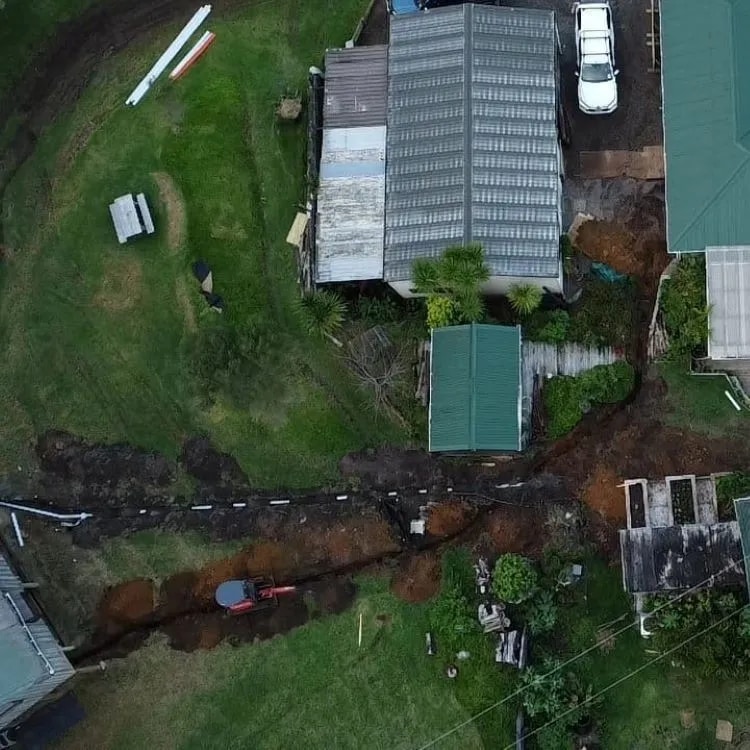
- PGDB licensed
- Site Safe member
- Impac Prequal assessed
- Kiwi-owned since 2012
How it works
Call or enquire
Phone us or send the address and what you’re seeing.
We assess
A licensed Stately plumber looks at the job on site.
Clear quote
You get a plain explanation and a clear quote before work starts.
Job done and tidied
We finish the work and leave the site clean.
An enquiry to Stately Plumbing should distinguish a blocked collection point from a proposed change to the drainage layout. Photographs taken safely from accessible ground can help explain the pattern. Include the intended use of the yard so the drainage discussion addresses the space you actually need.
Map the water before choosing fittings
Draw the yard outline and mark buildings, entrances, paved areas and existing collection points. Add arrows showing observed runoff rather than assuming the lowest looking corner receives everything. Record whether water collects beside a doorway, across a vehicle route or around stored equipment.
Explain any recent changes to surfacing or yard use. A new paved area may change the amount or direction of runoff reaching an existing inlet. Keep those observations separate from a diagnosis. Ask what level information and outlet investigation are needed before selecting a sump, catchpit or channel drain.
Give each collection point a purpose
A channel along a threshold serves a different layout from a catchpit collecting runoff at a low point. Discuss the area each proposed fitting is intended to serve and how surface falls will deliver water to it. A grate alone cannot redirect water that travels elsewhere.
Describe what moves across the surface, including cars, bins and pedestrian traffic. Ask the designer or contractor to address appropriate covers, loading and placement. Consider whether the grate would interrupt a walking route or sit beneath parked equipment, making routine inspection awkward after the installation is complete.
More about drainlayer in Penrose
Trace the outlet as well as the inlet
Identify where the collected water is intended to go. Supply drainage plans if available and mark any outlet details that remain unconfirmed. Ask how the receiving connection and its suitability will be established rather than treating a nearby buried pipe as an automatic destination.
Include the whole proposed route in the scope, from collection fitting to connection. Note boundaries, other services and structures along that route. If investigation changes the proposed outlet, request an updated plan before installation proceeds. Keep stormwater collection distinct from wastewater drainage in the drawings and in instructions to everyone working onsite.
Coordinate excavation and finished levels
Provide the proposed paving layout and finished surface information before underground work starts. Ask how the top of each fitting will relate to the surrounding surface. Coordinate with the paving contractor so the completed yard directs water towards the intended collection points rather than leaving raised edges.
Agree access for excavation and a place for removed material. Specify which surfaces will be reinstated and who is responsible for their final finish. Check current authorisation for restricted drainlaying using PGDB consumer advice. Identify who will approve a changed route if buried services prevent the original arrangement.
Make cleaning possible after handover
Discuss how sediment and debris will be removed from the chosen fittings. Ask for safe access instructions and identify anything that requires a contractor rather than household maintenance. Position storage and planting so lids and grates remain accessible without repeatedly moving heavy objects.
Request a marked record of the installed route and collection points, together with the agreed completion information. Photograph the finished yard and retain installation photographs with the property records. When contacting Stately, include the collection problem, the proposed surface changes and any known outlet information so the enquiry describes a complete drainage task.
Drainlayer: questions from Penrose
Should I ask for a channel or a catchpit?
Describe the runoff pattern and surface use first. The choice should follow the collection area, finished levels, loading requirements and confirmed outlet rather than the appearance of a fitting.
What if water collects beneath parked vehicles?
Include parking positions on the yard sketch. Discuss inlet placement and maintenance access together so the proposed collection point is not routinely obstructed during normal use.
What records help with future cleaning?
Keep a plan showing collection points, pipe routes and access lids. Ask what debris removal is appropriate for each fitting and retain the instructions with the completion documents.
More help in Central Auckland
Read before you call
Google reviews
Rated Excellent
Real words from Auckland customers on Google.
I had the team come out to install a gas hot water system for me recently and it was an absolute pleasure to have these guys come out and do some work for me. The response time from me requesting the work, to the work being completed, was the best I have ever had! They showed up on time, the communication was great, they are super efficient and they did a top quality job! Couldn't ask for anything more. Highly recommend these guys!
1 / 5