
Farm Cove · Gas fitter
Gas Fitter in Farm Cove
Changing from LPG to a supplied gas connection starts with checking whether that supply is available at your address. Before ordering appliances or arranging bottle removal, gather your appliance model details and ask the proposed supplier about connection arrangements.
- PGDB licensed
- Site Safe member
- Impac Prequal assessed
- Kiwi-owned since 2012
How it works
Enquiry
Assessment
Quote
Completion
Then have a gasfitter assess the change at the property. Stately Plumbing covers Farm Cove through its Auckland coverage. The useful comparison is the complete changeover scope, including appliances, pipework and supply arrangements, rather than the fuel alone.
Confirm what the proposed connection provides
Ask the supplier to confirm the fuel offered, whether the address can be connected and what work belongs to them. Separate that offer from the gasfitting inside your property. A supply enquiry and an appliance conversion are different tasks. You need a clear boundary between them before deciding to proceed.
Bring the supplier's written information to the assessment. Include any proposed meter position and connection conditions. We compare those details with where your appliances sit and how the existing LPG installation is arranged. That turns an attractive idea into a defined scope, with unresolved supply questions sent back to the supplier.
Sort appliances into retain or replace
Make a list of everything currently using LPG, including the hob, water heater and any gas fire. Record model numbers from accessible labels and find the manuals. Different fuels are not interchangeable simply because an appliance already burns gas. Conversion suitability needs checking for each model by a licensed gasfitter.
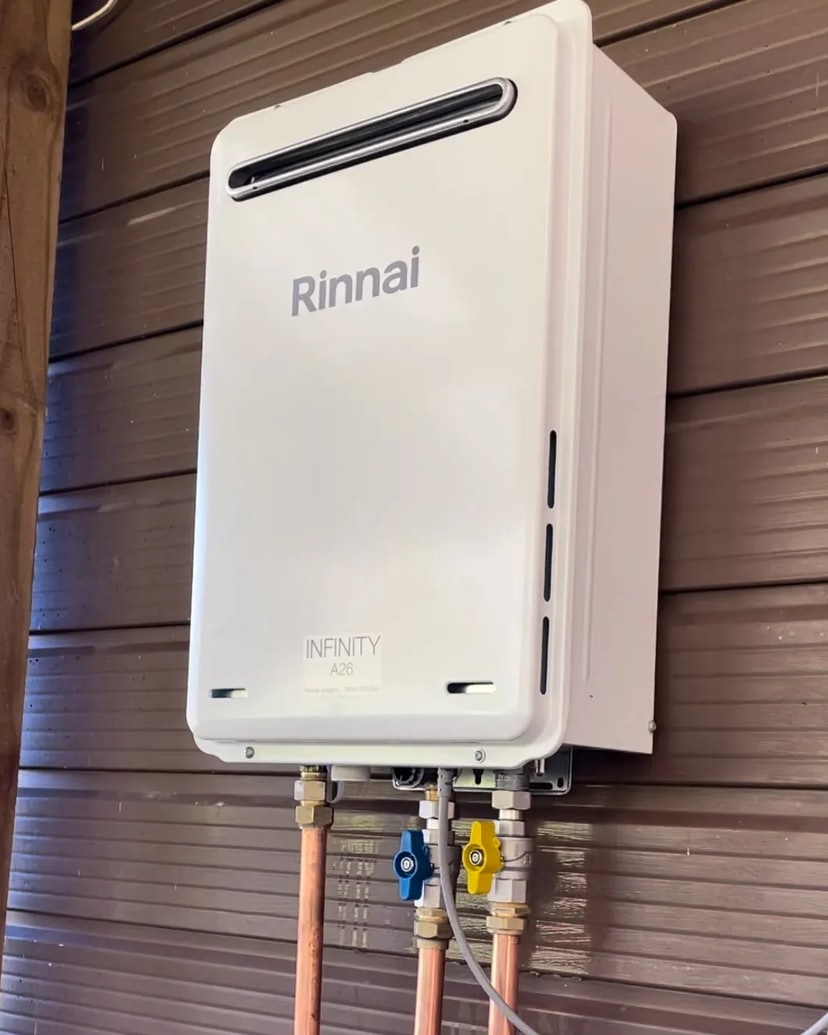
We check the manufacturer's information, available conversion components and the work each retained appliance would need. Some appliances might remain part of the plan after authorised conversion; others could require replacement. Keep those decisions separate. Replacing a water heater also raises practical questions about hot water use, controls and its existing location.
More about gas fitter in Farm Cove
Assess the pipework as a complete route
An existing LPG pipe route is a starting point for inspection, not an automatic fit for another supply. We assess the proposed fuel, appliance demand, pipework and connection points together. The installer checks the requirements for the actual appliances, including relevant ventilation and flue arrangements, before settling the installation scope.
Explain which cupboards, wall spaces and outdoor areas will change during other renovation work. Access affects how pipe alterations are organised and how equipment remains reachable afterwards. Ask for the proposal to distinguish retained pipework, new pipework, appliance conversion and replacement. Any reported fault needs assessment rather than a diagnosis from photographs.
Sequence the change before removing LPG
Keep the supplier's connection work, the gasfitting and the LPG account arrangements on the same plan. Ask who confirms the new supply is ready and who coordinates appliance work. Discuss how cooking and hot water will be managed during the change. Arrange cylinder collection with the LPG provider around the agreed disconnection sequence.
Gas work must be done by a licensed gasfitter. Check the PGDB register before engaging someone. The gasfitter handles disconnection, installation or authorised conversion, testing and commissioning within the agreed scope. Do not disconnect bottles, change regulators or alter appliance jets yourself as part of preparing for the fuel change.
Finish with records you can use
At handover, ask for an explanation of the completed installation, appliance operation and isolation points. Keep the appliance instructions, conversion details and relevant gasfitting records together. The paperwork should make clear which appliances and pipework were included, so a later service starts with useful information rather than guesswork.
WorkSafe says connected gas work needs a Gas Safety Certificate, while general and high risk gasfitting needs a Certificate of Compliance. For servicing or repairs, request the applicable paperwork for the actual work. Before closing the LPG account, confirm the old supply arrangements have been dealt with through the agreed process. Keep the certification paperwork with your appliance records.
Gas fitter: questions from Farm Cove
Can I keep my LPG hob?
Possibly. Give the gasfitter its exact model details. They check whether an authorised conversion is available and assess the appliance before including it in the changeover.
Should I cancel LPG before assessment?
No. First confirm address availability, appliance suitability and the work sequence. Coordinate cancellation and cylinder collection with your LPG provider once the changeover arrangements are settled.
What if I smell gas before changeover?
Do not use flames or operate electrical switches. Leave the property and call your gas supplier or a gasfitter from outside. Call emergency services if there is immediate danger.
More help in East Auckland
Read before you call
Google reviews
Rated Excellent
Real words from Auckland customers on Google.
James, came on time. Clean, pleasant. Checked what needed to be done. Worked fast. Good communication
3 / 5